Stretch Every Dollar: The Practical Playbook for Building a Lasting Eastern European Connection on a Real Budget
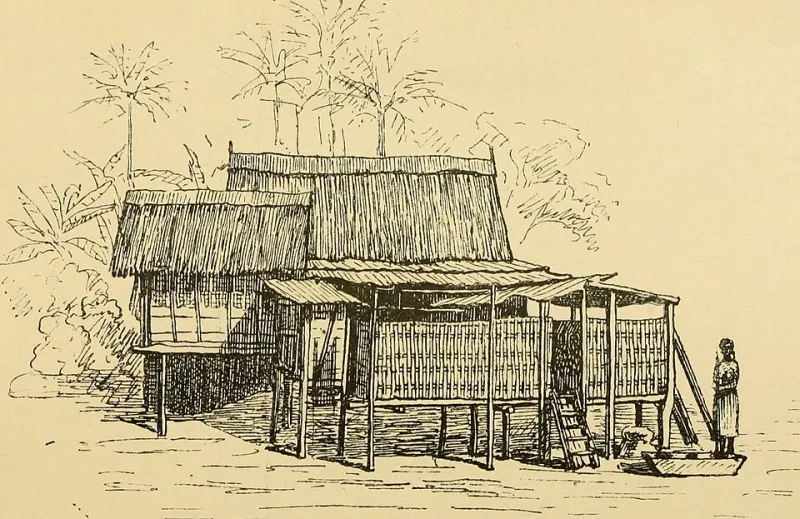
Photo: Internet Archive Book Images, No restrictions, via Wikimedia Commons
Here's a truth that doesn't get said enough in the world of international connections: spending more doesn't automatically mean connecting more. Plenty of guys have blown serious money on first trips and elaborate gestures only to come home with nothing but a lighter wallet and a vague sense that something was off. Meanwhile, others have built genuinely warm, lasting relationships with Eastern European companions on budgets that would surprise you.
The difference isn't money. It's strategy, timing, and a clear-eyed understanding of where your dollars actually go the furthest.
Understand the Exchange Rate Advantage — And Use It Thoughtfully
The US dollar goes significantly further in most of Eastern Europe than it does at home. Countries like Poland, Romania, Bulgaria, Hungary, and Ukraine (logistics permitting) all offer favorable exchange rates for Americans. In practical terms, this means that a dinner that would cost $80 in a mid-range American city might run $20-25 in Warsaw or Bucharest — and it's a genuinely good dinner, not a downgrade.
This is worth internalizing early, because it changes how you plan everything from travel to gifts to day-to-day spending during a visit. You're not being cheap by spending $30 on a night out. You're spending appropriately for the local economy, and doing otherwise can actually create weird dynamics where money becomes the center of the relationship rather than the people involved.
The smart move: research average costs in the specific city where your companion lives before you book anything. Costs vary significantly even within Eastern Europe — Prague and Tallinn are notably pricier than Lviv or Plovdiv. Knowing the local baseline helps you budget accurately and spend in a way that feels natural rather than performative.
Timing Your Travel: Shoulder Season Is Your Best Friend
If an in-person visit is on your radar, when you go matters almost as much as where. Peak summer (July-August) and the Christmas-New Year window drive up flight prices, accommodation costs, and general tourist congestion across most of Eastern Europe. Spring (late April through early June) and early fall (September through mid-October) offer a genuinely better experience on nearly every front.
Weather is still comfortable. Major attractions are accessible without crowds. Flights from major US hubs to cities like Warsaw, Bucharest, Riga, or Budapest can drop by $300-500 round trip compared to peak season. And crucially, your companion is less likely to be dealing with vacation crowds at her favorite spots, which makes for more relaxed, natural time together.
For multi-week stays specifically, consider a mid-week arrival. Renting an apartment through platforms like Booking.com or local equivalents for 10-14 days consistently beats hotel pricing and gives you a home base that feels far less transactional than a hotel room. In many Eastern European cities, a well-located one-bedroom apartment runs $40-70 per night for stays of a week or more — a fraction of what you'd pay for comparable quality in the US.
Structure Your Spending Across the Trip — Don't Front-Load It
One of the most common budget mistakes American men make on international connection trips is spending heavily upfront to impress, then running tight toward the end. This creates a weird emotional arc where the beginning of the trip feels like a performance and the end feels like a retreat.
A better structure: plan for consistent, moderate experiences throughout the trip rather than a few expensive highlights. A mix of home-cooked meals (which she may genuinely enjoy preparing and sharing), local casual restaurants, one or two nicer dinners, day trips to nearby towns or natural sites, and simple activities like markets or museums gives you more shared time and more to talk about than a single expensive dinner ever could.
Budget roughly:
- Daily food and casual outings: $30-60 depending on city
- One nicer dinner per week: $60-100 total for two
- Day trip (transport + entry fees + lunch): $40-80
- Incidentals and spontaneous spending: $20-30/day buffer
For a two-week trip, that's a realistic total spend of $1,200-1,800 on the ground, not counting flights and accommodation. Manageable for most Americans with a little advance planning.
Gift-Giving: Less Is More (and Local Is Best)
Gifts are a natural part of building connection, but the approach matters more than the price tag. Generic or obviously expensive gifts early in a relationship can feel transactional — and frankly, they often are. Small, thoughtful, locally-sourced gifts tend to land better and cost far less.
Think: a book she mentioned, a local specialty from a market you visited together, a small item connected to a conversation you had. These signal that you were actually paying attention, which is worth more than anything you could order off Amazon before your flight.
If you're in an ongoing remote connection and want to send something between visits, digital gifts — a streaming subscription, an online course she mentioned wanting, a contribution toward something she's saving for — are often more practical and meaningful than physical shipments, which can get held up in customs and arrive weeks late.
Building Consistency Without Burning Out Your Budget
For connections that extend beyond a single trip, consistency matters more than intensity. Regular video calls, occasional small gestures, and a clear shared understanding of what you're building together will sustain a genuine connection far better than sporadic big spending.
Set a realistic monthly budget for your Kompanionki69 connection — whether that's $150 for communication and small digital gifts between visits, or a larger annual budget that includes one trip per year. Having a number in mind keeps you from either under-investing (and letting the connection drift) or over-investing in ways that create financial stress and resentment.
The best Eastern European connections American men build through platforms like ours are the ones where both people feel like they're choosing each other, not transacting with each other. Smart budgeting is part of what makes that possible — it keeps the financial dynamic clean so the emotional one has room to grow.